School Education
Arrupe High School
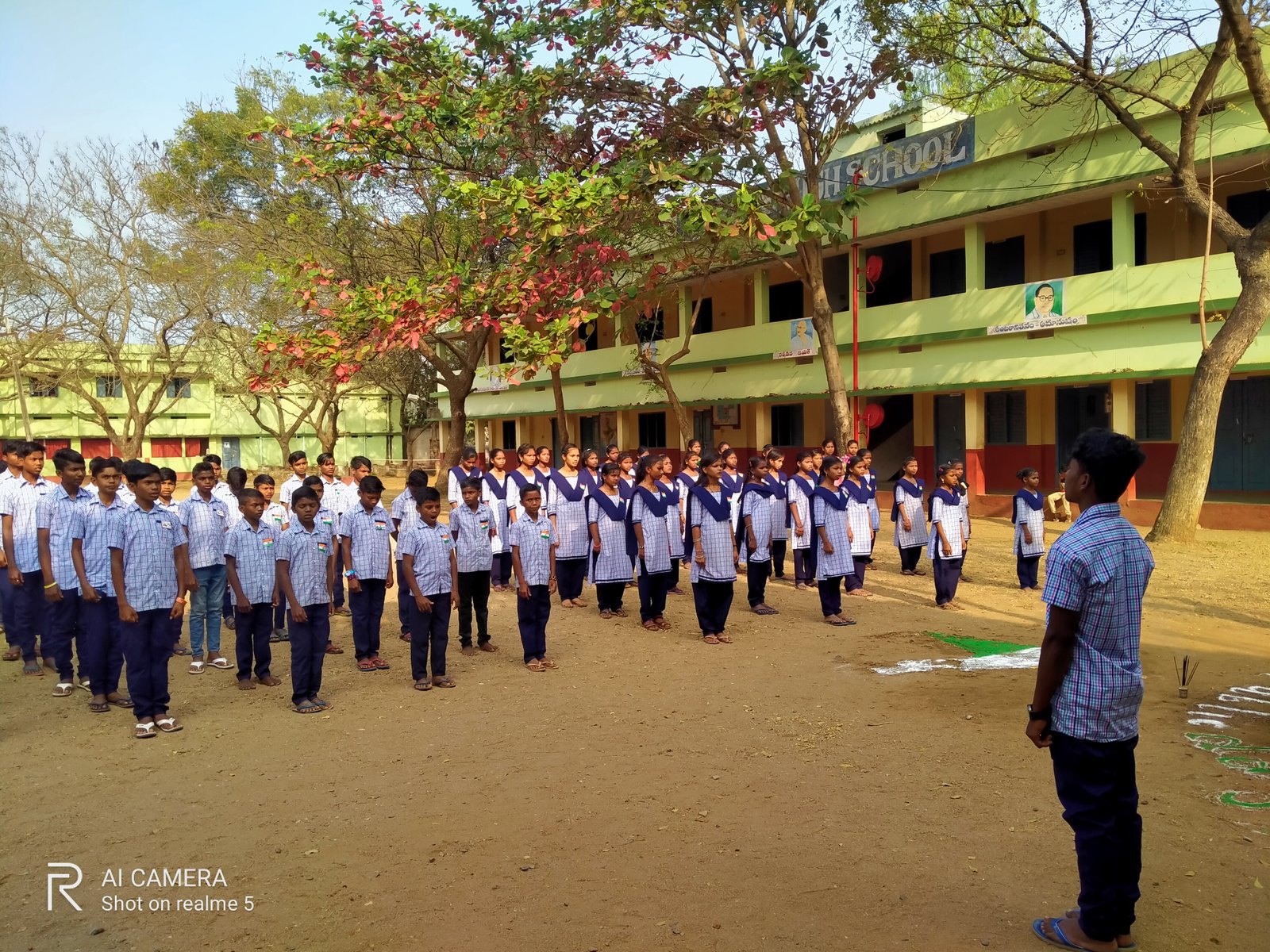
LITDS supports regular schooling for tribal children through Arrupe High School, providing access to quality education in a safe and supportive learning environment.
Empowering tribal children with quality education, safe residential facilities, scholarships, and holistic development opportunities.
Empowering tribal children with quality education, safe residential facilities, scholarships, and holistic development opportunities — creating pathways toward a brighter and more dignified future.
Quality Education
Learning & development
Safe Residential Care
A secure environment
LITDS works across three important stages of educational and personal development — helping tribal children access quality schooling, supporting students in higher education, and equipping unemployed youth with skills for sustainable livelihoods.
LITDS supports regular schooling for tribal children through Arrupe High School, providing access to quality education in a safe and supportive learning environment.
LITDS provides scholarship support to economically disadvantaged tribal students after school, helping them continue their education and pursue higher studies.
LITDS works with unemployed tribal youth through skill development and vocational programs that build practical abilities, confidence, and pathways toward employment and sustainable livelihoods.
Your support can help provide education, scholarships and skills that create lasting opportunities for children and young people.
Students Supported
LITDS established Arrupe High School with a vision to provide quality and accessible education to tribal children living in remote and underserved communities.
Many tribal families face significant barriers to education, including poverty, remote locations, limited access to schools, inadequate learning facilities, and fewer opportunities for academic growth. Arrupe High School seeks to address these challenges by creating a nurturing environment where children can learn, grow, develop confidence, and discover their potential.
To overcome barriers such as poverty, distance, and limited educational access while creating opportunities for tribal children to build knowledge, skills, confidence, and leadership.
Beneficiaries
An overview of student enrollment, residential education, teaching staff, and school support at LITDS Katukapally.
Total Students
Boys
Girls
Total Staff
Residential Education
Boys
74
Girls
73
Total
147
Residential School
Boys
86
Girls
96
Total
182
Overall Strength
Primary, Upper Primary & Arrupe High School
160
Boys
169
Girls
Human Resources
9
Teaching
3
Non-Teaching
12
Total Staff
School Community
Treasurer & Director, LITDS · Correspondent of School · English Teacher
Minister · Warden · English Teacher
Assistant Warden · English Teacher
PP: 2 · SS: 1 · Total: 3
Education is more than classroom learning. Through cultural celebrations, sports, festivals, academic activities, and community events, students develop confidence, creativity, teamwork, leadership, and a strong sense of belonging.
 Cultural
Students celebrate tribal traditions, music, dance, art, and cultural heritage, creating opportunities to preserve and share their rich identity.
 Festival
Students and teachers come together to celebrate festivals with joy, cultural activities, music, art, and community participation.
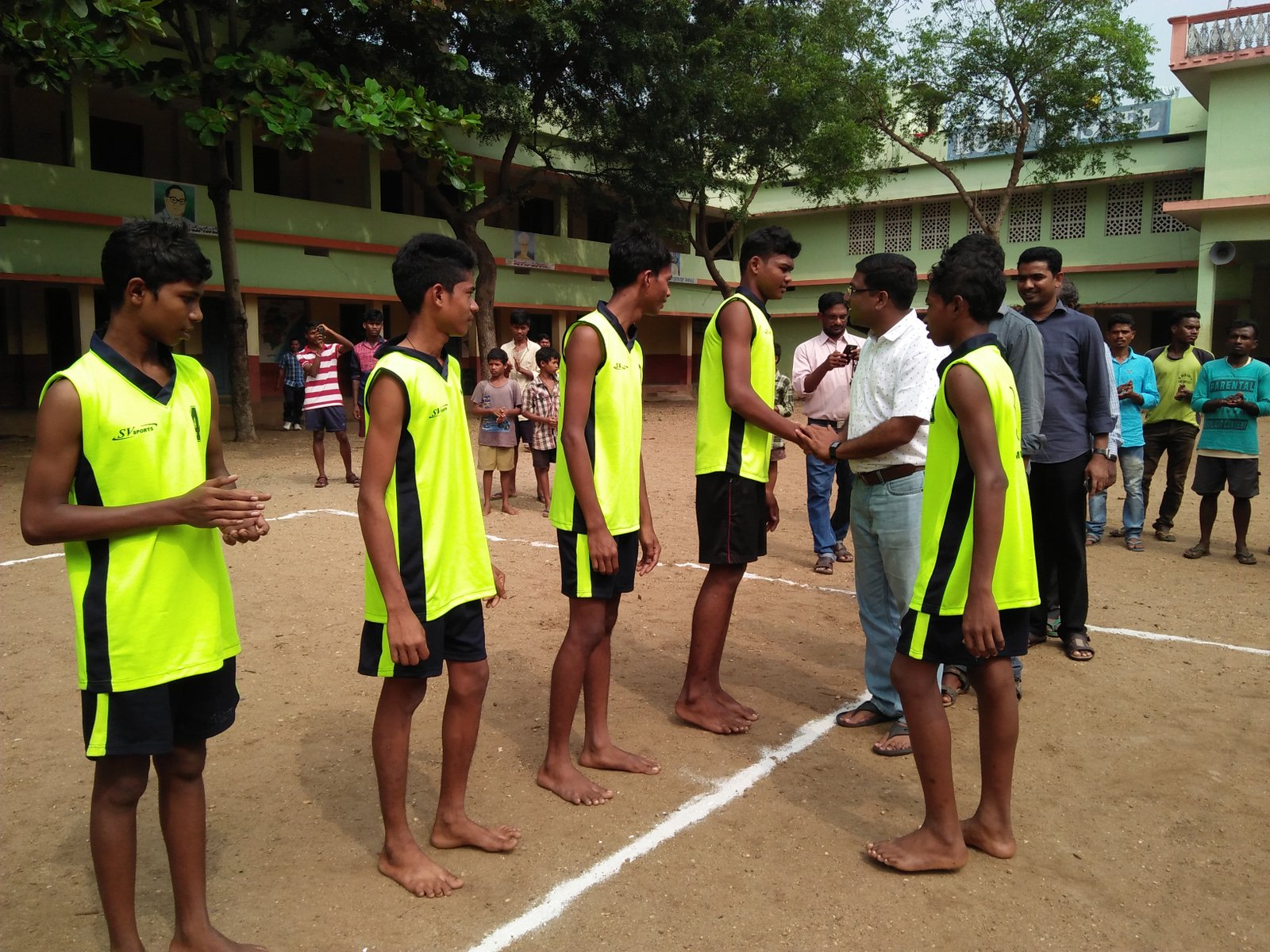
 Sports
Sports activities encourage teamwork, discipline, healthy competition, leadership, physical fitness, and confidence among students.
 Academic
Students showcase projects, experiments, creative ideas, and practical learning experiences while developing curiosity and problem-solving skills.
 Community
Students participate in activities that encourage service, responsibility, environmental awareness, and positive engagement with their communities.
 Cultural
Students express themselves through music, dance, visual arts, storytelling, and creative performances.
Students celebrate tribal traditions, music, dance, art, and cultural heritage, creating opportunities to preserve and share their rich identity.
New school activities will be added soon.
LITDS has worked to ensure that children from remote tribal communities have access to education, care, safety, and opportunities for a better future. Residential facilities have played an important role in making education accessible to children who face geographical and economic barriers.
In the beginning, Fr. Balaswamy, who was the Parish Priest and Director, worked with vigour to reach out to tribal and non-tribal communities. Along with Frs. Papaiah, Irudayam and others, he travelled to Kunavaram, V. R. Puram, Bhadrachalam, Nellipaka, Basavagu and Lakshmipuram to serve local communities.
Over the years, LITDS developed programmes in education, health and empowerment . In education, these efforts expanded into Tribal Children's Homes, Summer Schools, Satellite Schools and Single Teacher Schools.
Many tribal children in remote villages experience poverty, geographical isolation, limited schooling facilities and restricted educational opportunities. Residential education provides children with a safe, supportive environment to continue their studies.
The hostel environment supports children with accommodation, learning support, personal care, discipline, values, confidence and opportunities for holistic development.
Increased access to education in remote tribal villages.
Reduced school dropout and child labour.
Improved confidence and life skills among youth.
Greater opportunities for education and employment.
Residential Education Impact
Children supported through safe accommodation, care and learning support.
0+
Students accommodated
Beneficiaries
0 +
Students Supported
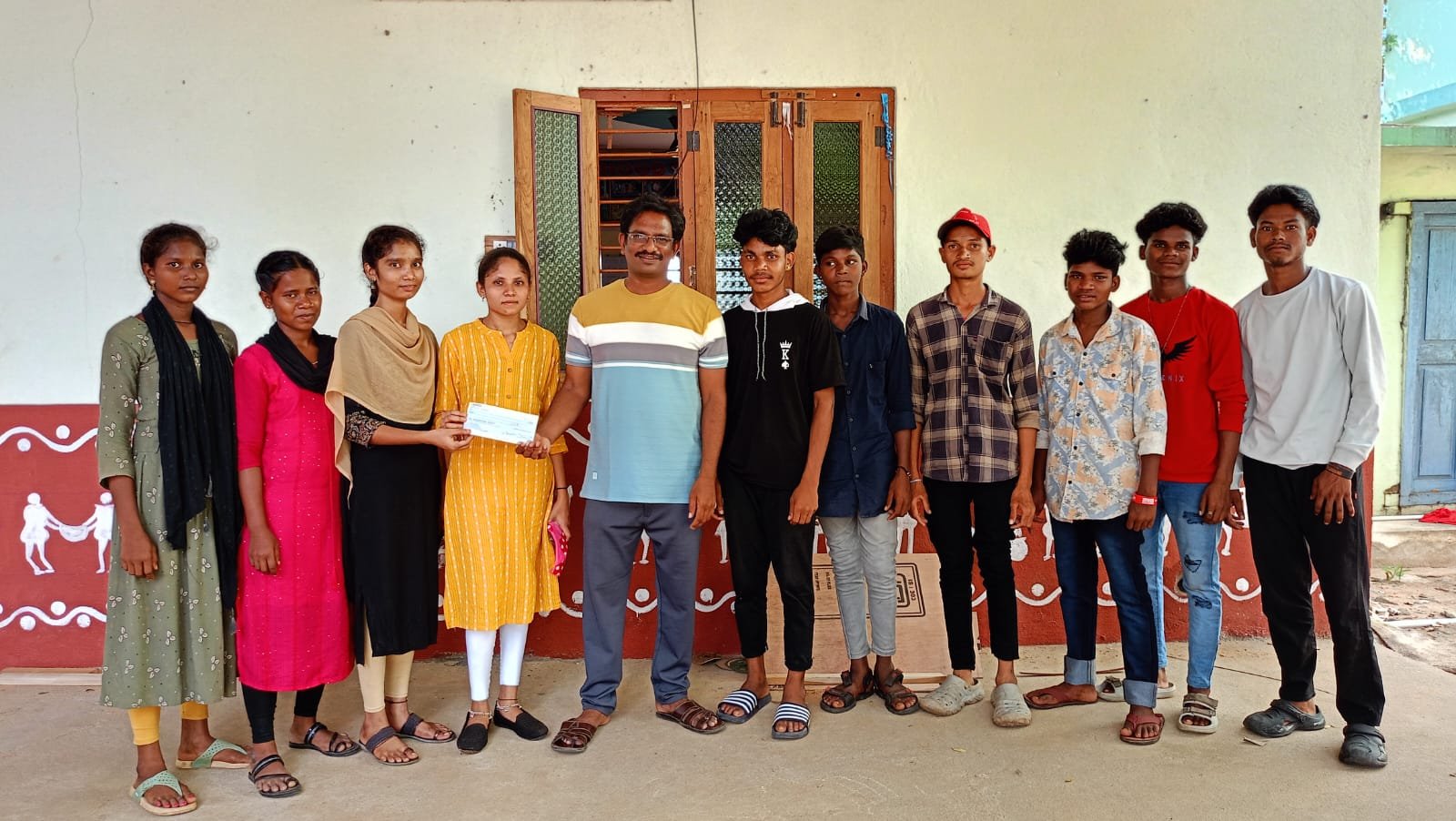
Education should not end because a family cannot afford it. LITDS provides scholarship assistance to underprivileged tribal students, helping deserving young people continue their higher education with confidence, dignity and hope.
Financial support enables talented tribal students to pursue college, professional courses and other higher-education opportunities that may otherwise remain beyond their reach.
Many talented tribal students are unable to continue their education because of financial constraints, limited family income and lack of educational resources. Scholarships help remove these barriers and keep their educational journey moving forward.
From Support to Opportunity
Scholarship
Higher Education
Career
Beneficiaries
Meet the beneficiaries
Discover the education journeys made possible through LITDS support.
Loading supported students…
LITDS supports unemployed and underprivileged tribal youth through practical skill training, career guidance, employment support and entrepreneurship opportunities, helping young people move towards sustainable livelihoods.
Our youth development approach goes beyond training. We help young people identify their strengths, develop employable skills, access career opportunities and explore pathways to self-employment.
Practical computer and digital skills training to help youth prepare for office work, digital employment and modern workplaces.
Tailoring and garment-making skills that can lead to employment, home-based income and small-scale self-employment.
Driving-oriented vocational training that prepares eligible youth for employment and livelihood opportunities.
Entry-level caregiving and bedside nursing skills to help eligible youth explore healthcare-related employment opportunities.
Helping youth understand their strengths, identify suitable career pathways and make informed decisions about their future.
Connecting trained youth with suitable job opportunities and supporting them in taking their first steps into the workforce.
Encouraging youth to explore self-employment, small enterprises and sustainable livelihood opportunities based on their skills and interests.
Our Goal
Every child deserves the opportunity to learn, grow, discover their potential and build a better future. Your support can help make quality education and meaningful opportunities accessible to tribal children and young people.