
0100+
Patients Treated
Healthcare Outreach
Health Camps
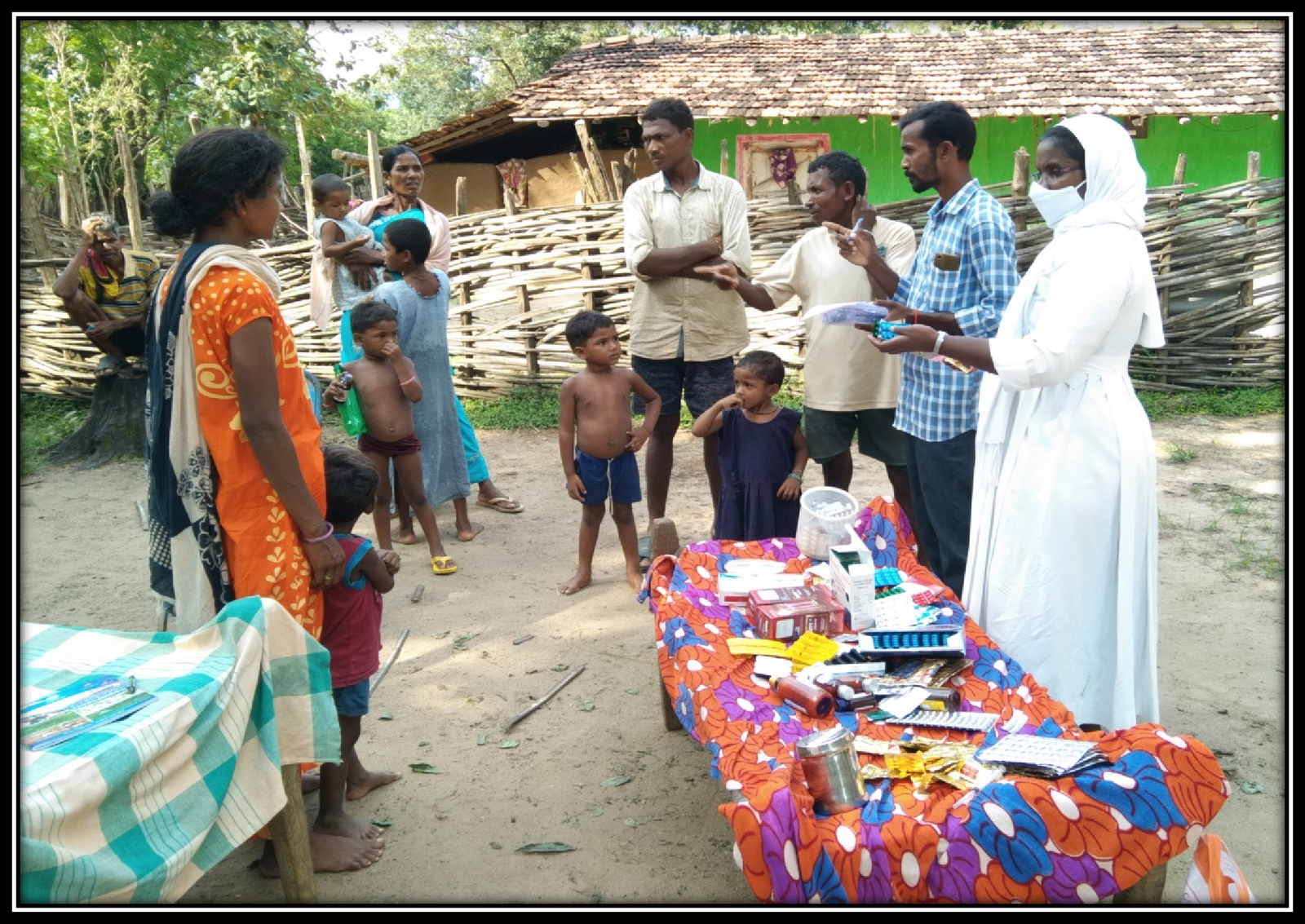
LITDS regularly conducts health camps in remote tribal villages, providing medical consultations, health screenings, medicines, and awareness on preventive healthcare. These camps help bridge the healthcare gap for underserved communities. Through these initiatives, LITDS serves poor tribal families by diagnosing and treating patients suffering from chronic illnesses and diseases such as malaria, dengue, typhoid, and snake bites.
Why This Intervention?
Many tribal communities living in remote areas have limited access to quality healthcare services. LITDS organizes health camps to provide timely medical care, early diagnosis, treatment, and health education close to their villages.
Outcomes
- Improved access to healthcare services
- Early detection and treatment of diseases
- Increased health awareness
- Reduced preventable illnesses
Beneficiaries
Mobile Healthcare
Mobile Medical Clinics
Through mobile clinic services, LITDS reaches isolated tribal villages with essential healthcare services. Medical teams provide consultations, treatment, medicines, and follow-up care for individuals who otherwise have limited access to healthcare facilities.
Why This Intervention?
Many tribal villages are remote and inaccessible, with scarce healthcare facilities. Mobile clinics bring essential services directly to communities.
Outcomes
- Improved access to primary healthcare
- Early diagnosis and treatment
- Increased health awareness
- Regular follow-up and continuity of care
Beneficiaries
5000+
Patients Treated
500+
Nutrition Kits & Care
Maternal & Child Health
Nutrition Support for Expectant and Lactating Mothers
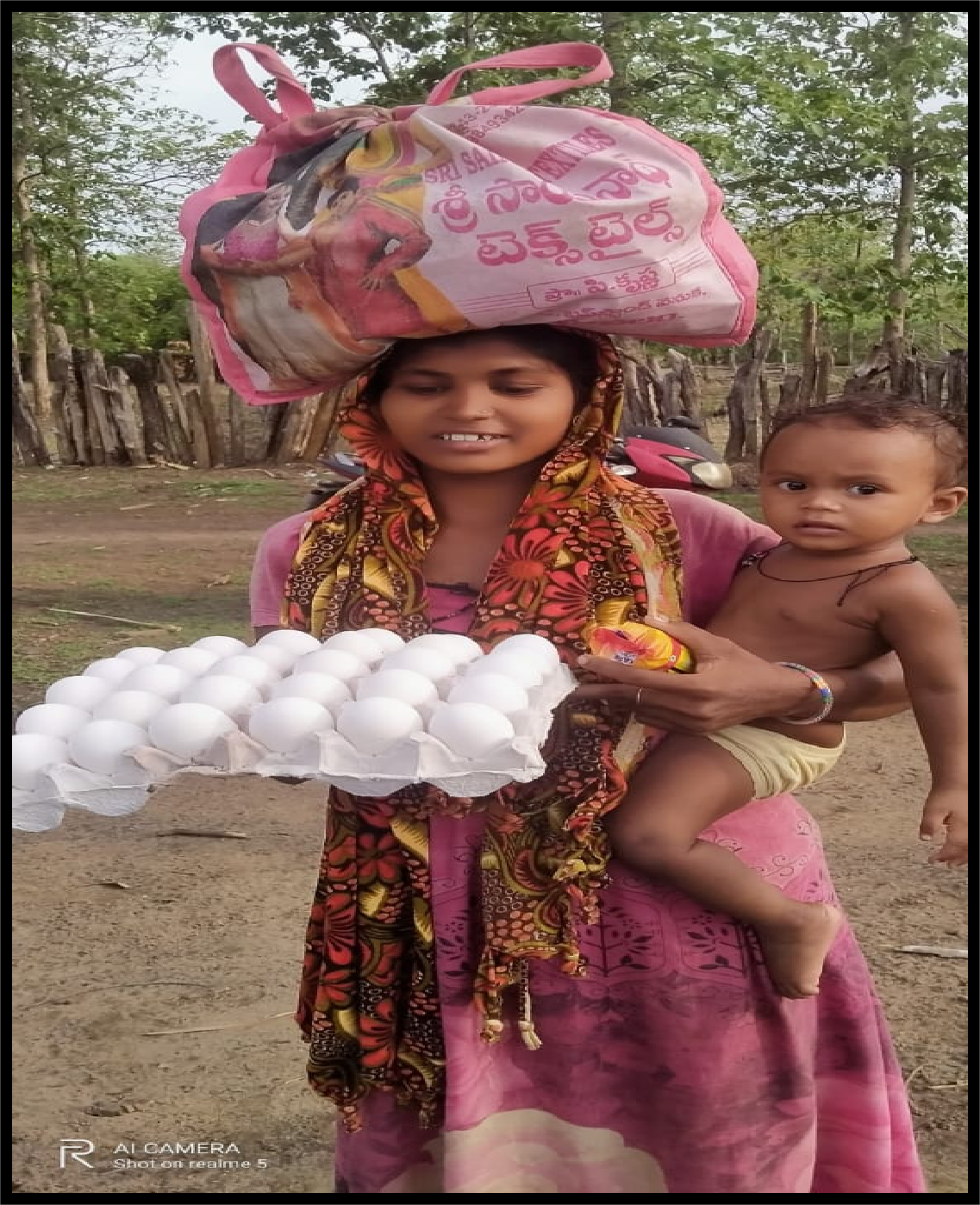
Special attention is given to pregnant women, expectant mothers, and lactating mothers through nutrition support, health education, regular health monitoring, and awareness programs. These interventions contribute to healthier mothers and children.
Why This Intervention?
Tribal mothers often face malnutrition, limited healthcare access, and gaps in maternal and child health awareness. LITDS provides targeted support for safer pregnancies and better nutrition.
Outcomes
- Improved maternal health
- Better nutritional status
- Greater health and hygiene awareness
- Reduced pregnancy-related health risks
- Enhanced child growth and development
Beneficiaries
Healthcare Facility
Campus Dispensary
LITDS operates a dispensary within its campus to provide primary healthcare services to students residing in the school and hostels, as well as families in different villages. The dispensary ensures prompt medical care, treatment, and health monitoring.
Why This Intervention?
The campus dispensary provides accessible primary healthcare to students, hostel residents, staff, and families from surrounding villages.
Outcomes
- Improved access to basic healthcare
- Timely diagnosis and treatment
- Reduced health-related absenteeism
- Regular health monitoring
- Improved health and hygiene awareness
Beneficiaries

5000+
Patients Treated